New  The Attuned Parent Summit · Spring 2027 · Two days, virtual

TAPP Recommends

Thoughtfully chosen books for a more connected parenting journey.

TAPP Recommends

There is no shortage of parenting information. The challenge is knowing what is worth your time.
TAPP Recommends is our thoughtfully curated collection of books, research, articles, podcasts, and trusted organizations that complement and deepen the work of The Attuned Parent Project.
These resources explore many of the ideas that inform the TAPP approach—including Presence, Self-Awareness, attunement, attachment, child development, nervous-system regulation, relationships, authenticity, the Enneagram, and the inner work of parenting.
Some have directly influenced the development of TAPP. Others offer important research, practical application, or perspectives that invite parents to think more deeply about themselves, their children, and their relationships.
You don’t need to read everything. Begin with what speaks to you.

Books

Books give us the opportunity to slow down and explore an idea more deeply. This collection includes authors and thinkers whose work intersects with TAPP’s understanding of attachment, brain development, Presence, conscious parenting, relationships, the Enneagram, and the importance of the parent-child connection.
Daniel J. Siegel — with Tina Payne Bryson
Introduces practical strategies grounded in brain science to help children understand big emotions, integrate different parts of their experiences, and develop emotional resilience.
Daniel J. Siegel — with Tina Payne Bryson
Explores discipline as an opportunity to teach and connect rather than simply punish, helping parents set limits while remaining relationally engaged.
Daniel J. Siegel — with Mary Hartzell
Explores how our own childhood experiences can shape the way we parent and how greater Self-Awareness can help us respond more intentionally to our children.
Daniel J. Siegel — with Tina Payne Bryson
Explores how consistent parental Presence and emotional availability contribute to secure attachment, resilience, and healthy development.
Daniel J. Siegel — with Tina Payne Bryson
Focuses on helping children develop openness, curiosity, courage, resilience, and the ability to approach challenges with greater flexibility.
Daniel J. Siegel
Explores the developing adolescent brain and offers insight into the emotional intensity, creativity, relationships, and developmental changes of the teenage and young-adult years.
Joseph Chilton Pearce
Pearce’s exploration of childhood development examines the conditions that allow a child’s natural capacities, curiosity, and potential to unfold.
Joseph Chilton Pearce — with Michael Mendizza
Extends these ideas into the parent-child relationship, emphasizing connection, play, Presence, and the developmental importance of relationship.
Gordon Neufeld & Gabor Maté
Explores what the authors call peer orientation—when children increasingly look to peers rather than their primary adults for direction, belonging, values, and identity—and makes the case for protecting and strengthening parent-child attachment.
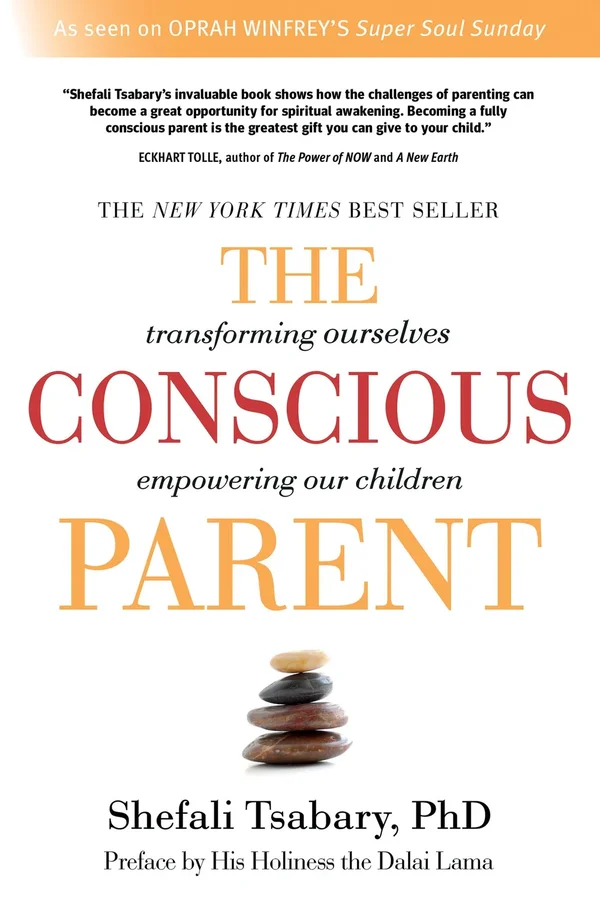
Dr. Shefali Tsabary
Invites parents to look inward, recognizing that parenting is not only about shaping the child but also about becoming aware of our own expectations, triggers, patterns, and emotional history.
Dr. Shefali Tsabary
Continues the conscious-parenting approach by encouraging parents to move away from control and toward awareness, authenticity, connection, and respect for the child’s individuality.
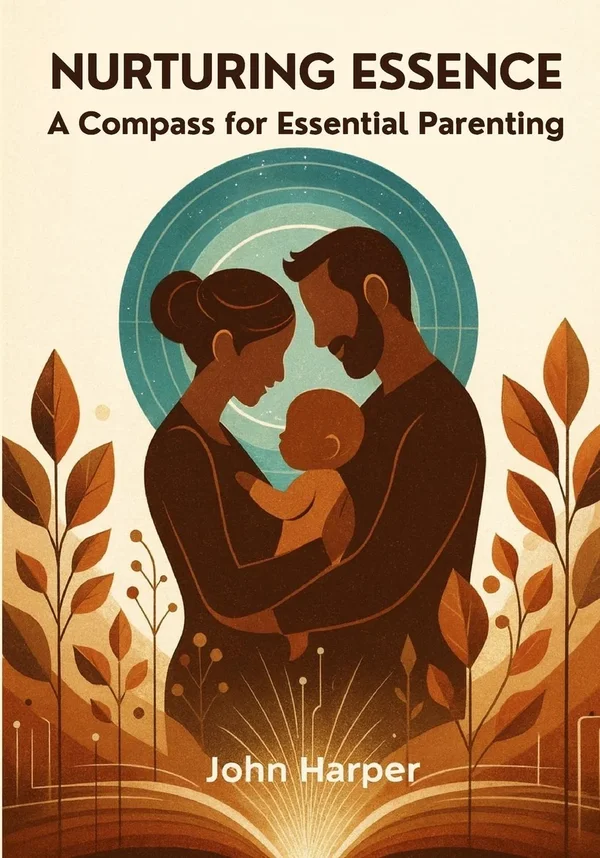
John Harper
Explores parenting through the lens of nurturing a child’s essential nature, inviting adults to reflect on how Presence, connection, and Self-Awareness can guide their relationships with children.
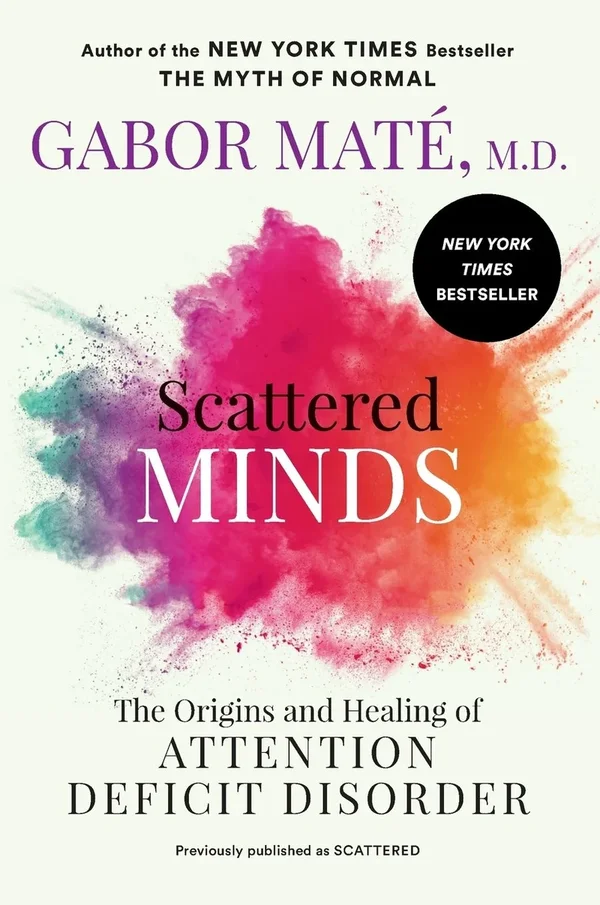
Gabor Maté
Explores attention difficulties through Maté’s developmental and relational lens, considering the interaction among emotional experience, environment, stress, attachment, and brain development.

Enneagram Resources

Within TAPP, the Enneagram is not used to put people into boxes. It is a tool for Self-Awareness—helping us notice the gifts, strengths, motivations, fears, blind spots, emotional patterns, and protective strategies we bring into our relationships.
These books explore the Enneagram from different perspectives, including personal growth, relationships, intimacy, parenting, and working with children.
R. Karl Hebenstreit, PhD
Uses the story of a young girl seeking advice from eight friends to introduce different ways people approach decisions, offering an accessible entry point into the nine Enneagram perspectives.
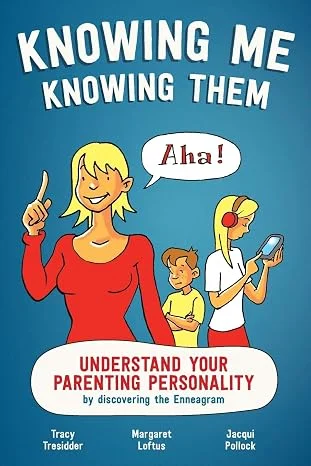
Jacqui Pollock, Margaret Loftus & Tracy Tresidder
Uses the Enneagram to help parents better understand their own personality patterns and consider how greater Self-Awareness can influence the way they understand and connect with their children.
Don Richard Riso & Russ Hudson
A comprehensive exploration of the nine types that brings together psychological and spiritual perspectives on Self-Awareness, development, and transformation.
David Daniels, MD & Suzanne Dion
Brings the Enneagram into the relational space, exploring how understanding ourselves and our patterns can deepen intimacy and improve the way we connect with others. Suzanne Dion is a TAPP co-founder whose work carries forward David Daniels’ compassionate Enneagram approach.
John Harper
Explores the Enneagram in the context of childhood, with a focus on understanding developing patterns and supporting resilience, Self-Awareness, and self-compassion in early life.
Elizabeth Orr
Explores the Enneagram with an emphasis on recognizing the less comfortable patterns, defenses, and automatic strategies that can stand between us and greater Self-Awareness.

Research & Foundational Studies

TAPP is informed not only by lived experience and relational wisdom, but also by research into attachment, adversity, emotional development, caregiver responsiveness, and the developing brain.
These foundational studies provide deeper context for ideas explored throughout TAPP.
Felitti, V. J., Anda, R. F., Nordenberg, D., Williamson, D. F., Spitz, A. M., Edwards, V., Koss, M. P., & Marks, J. S. (1998). Relationship of childhood abuse and household dysfunction to many of the leading causes of death in adults: The Adverse Childhood Experiences (ACE) Study. American Journal of Preventive Medicine, 14(4), 245–258.
This landmark study examined associations between adverse experiences in childhood and health and well-being later in life.
For TAPP, the ACE conversation also creates space for an important question: What about the relational experiences a child needed but did not consistently receive? This is part of the conversation behind TAPP’s Missing ACE framework.
Tronick, E., Als, H., Adamson, L., Wise, S., & Brazelton, T. B. (1978). Infants response to entrapment between contradictory messages in face-to-face interaction. Journal of the American Academy of Child and Adolescent Psychiatry, 17, 1–13.
The Still-Face research offers a powerful window into the importance of caregiver responsiveness and what happens when expected relational engagement is suddenly withdrawn.
For TAPP, it helps make something normally invisible visible: babies are active participants in relationship and deeply responsive to the emotional availability of their caregivers.

Articles

Sometimes one thoughtful idea is enough to change the way we see a parenting moment.
Our article collection offers shorter explorations of topics central to TAPP—including attunement, emotional neglect, regulation, temperament, connection, feelings, childhood, motherhood, and what parenting asks of the parent.

David Daniels

Enneagram Transformation

Explores the Enneagram as a pathway toward awareness and transformation rather than simply a system for identifying personality type.

From TAPP

The following pieces by John Harper for The Attuned Parent Project explore parenting and development through a relational, reflective lens:

Podcasts

Some conversations are better heard than read.
Our recommended podcasts bring together voices in child development, psychology, parenting, attachment, and emotional well-being, offering another way to continue learning while moving through everyday life.
Conversations about children, parenting, psychology, attachment, emotional development, and family relationships from the Institute of Child Psychology.
Think of these episodes not as another parenting checklist, but as conversations that can accompany your own process of becoming more aware, present, and attuned.

Trusted Websites & Organizations

When parents search online for answers, the amount of information can be overwhelming—and not all information is equally reliable.
TAPP has gathered professional organizations and educational resources that offer information related to early childhood development, parenting, psychology, attachment, neuroscience, and emotional health.

Zero to Three

A nonprofit organization focused on the development and well-being of babies and toddlers, with resources related to early development, relationships, parenting, and caregiving.

Institute of Child Psychology

Provides education and resources related to children’s mental health, emotional development, attachment, parenting, and the neurobiology of relationships.

Dr. David Daniels — Temperament & the Enneagram

Explores the relationship between temperament and Enneagram patterns—an especially useful distinction when considering personality and development in children.

A Note From TAPP

A recommendation is an invitation, not an endorsement of every idea within a resource.
The authors, researchers, organizations, and experts included here each bring their own perspectives. Their inclusion means that we believe their work contributes something valuable to the larger conversation—not that every idea necessarily represents the position of The Attuned Parent Project.
We encourage you to approach these resources the same way we encourage you to approach parenting:
With Presence. With curiosity. With discernment. With Self-Awareness.
Take what deepens connection. Question what doesn’t.
And keep Becoming the Parent They Need.